
- Physiotherapy
- Temporobandibolare
- Postural Rehabilitation
- Manual Therapy
- Chiropractic
- Lymphatic Drainage
- Pilates Specialist
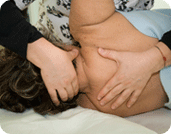 Functional Rehabilitation Functional rehabilitation is a branch of physical therapy that deals with helping the patient to restore the functionality of the body as a result of operations or accidents very damaging. It’important that these techniques are carried out by specialists able to better understand what are the most appropriate solutions to solve the problems of the patient. The success of a therapy of functional rehabilitation is then correlated with the incidence of various factors such as the severity of the debilitating condition, the adequacy of physical therapies employed and patient motivation. The good physiotherapist will be able, not only to meet the need to employ the correct techniques of rehabilitation, but also to provide the resident the right stimuli to recover.
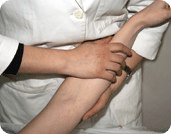
Neuromotor Rehabilitation The neuromotor rehabilitation consists in a therapeutic route to be taken in response to a damage of the central nervous system caused, for example, by a stroke or by the rupture of a cerebral aneurysm. Damage to the central nervous system, in fact, could result in the loss of part of the autonomy and ability to perform independently the common activities of daily living such as walking, cooking, bathing or dressing. In such situation it is essential to promptly intervene with neuromotor rehabilitation, through exercises of rehabilitation training having the purpose to minimize the effects of brain injury and the degree of disability, in maximizing the residual functions. The neuromotor rehabilitation is indicated in all outcomes of stroke; bleeding in the brain; cerebellar syndromes; pyramidal and extrapyramidal syndromes; ataxia; Parkinson’s disease; pseudo-progressive bulbar paralysis; all disorders of the central nervous system of a chronic and acute. At our center are performed functional rehabilitation therapies and rehabilitation medicine, sometimes the recovery of motor function of the patient.
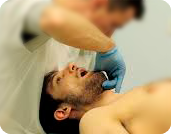 The temporomandibular disorders are the expression of a state of neuromuscular dysfunction induced by an overactive nervous system or by an imbalance of the system tonic-postural. We have undergone rehabilitation with manual techniques (exercises craniomandibular and cranio-cervical) and instrumental (TENS) a person 20 years old male. The evaluation parameters (spontaneous pain and pain on pressure) showed a favorable development and lasting. We found an improvement in pain symptoms spontaneously around 20% (evaluation by visual analog scale of Scott – Huskisson).
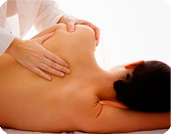 The Mézières Method, also known by the term Rehabilitation Morphological or Postural, is a technique developed by the individual rehabilitation French physiotherapist Françoise Mézières, which in 1947 developed this method that identified the cause of many postural asymmetries (scoliosis, kyphosis, lordosis ) and many arthritic disorders, and in curtailing the resulting stiffness of the posterior muscles of the body. Through a recovery job of body symmetry, with precise movements and exercising the muscles “forgotten” ‘, with this method, they will work to return the length, elasticity and comfort to the muscles involved, promising, in this way, the functional recovery of the body in space. The correct position of the body in space, derives from the proper muscle tone and elasticity of the connective tissue bands that define the spaces muscle and organic. For Mézières the functional center of the body is represented by the back, for which the work becomes basic physiotherapy performed on it. Stretching, in fact, muscles and connective numb, you will get an improved posture, increased joint flexibility and a sense of vitality that will match an awareness of the direct relationship between physical and mental wellbeing. Disturbances that can counteract the method Mezieres are therefore scoliosis, kyphosis and spinal pathologies, but also osteoarthritis, low back pain, stiff neck, dislocations and sprains. To discover the muscle contractions responsible for pathological problem in place, the patient is evaluated as a whole. During therapy emerge so-called “hidden pain”, which arose in some period of the life of the person due to a muscle contracture, too much effort, an anomalous position at work or excessive nervousness, which is reflected in the muscles. Modifying these ancestral situations, it also enhances the whole posture and, therefore, the health of the whole body. The fulcrum of this method is, therefore, the identification of the causes of the phenomenon, while the removal of the symptoms is the direct consequence. The Mézières Method is not directed only to those who already suffer from some disorder, but also to all those who, while not expressing an orthopedic problem, they want to achieve and maintain a state of mental and physical wellbeing through greater knowledge of their bodies. The therapy is organized into a series of individual treatments, diversified according to the needs and personal characteristics. You may use, then, to exercise sessions of postural re-education group, offering practitioners the cognitive tools to continue alone the work set by the therapist.
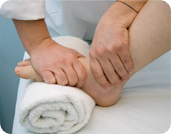 Manual Therapy is the branch of physical therapy specializing in the assessment, treatment and prevention of neuromusculoskeletal disorders of the spine and limbs. It is based on a comprehensive analysis of the neuro muscle-articular , indispensable for the establishment of any malfunctions on that system. The main purpose of the T.M. and to restore the maximum functionality, in the neuro-muscle-articular in postural balance, interacting with other rehabilitation approaches. This aim is pursued through the use of:
• passive movements (physiological and accessories) applied manually
• mobilization (passive movements where strength, speed and amplitude are graduated, being Relate to pain, muscle spasm and the “range” articulate allowed. Mobilization and performed with the patient’s control, within the physiological limits of articulation)
• manipulations (passive movements at high speed and small amplitude: “thrust”. They are performed without the patient’s control, outside the physiological range of the joint, but as part of its anatomical excursion)
• active movements performed by the patient in the form of therapeutic exercises
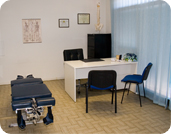 According to the theories underlying the chiropractic exists, in fact, a close link between the structure of the spine and nervous system functioning, so any alteration biomechanics involving the column can cause interference in the transmission of nerve impulses, which can derive an altered state of health. These dysfunctions in chiropractic are called “subluxations”. Subluxations can be caused by many factors such as poor posture, stress, sedentary lifestyle, dietary mistakes, the consumption of alcohol, cigarettes and drugs, weakening the neuro-musculoskeletal, deprive him of the original balance. Chiropractic urges the innate ability of the body to find and maintain a balance between the biochemical, structural aspect and the psychological aspect, to reach a state of total wellness. The purpose of chiropractic is to identify and eliminate the causes that lead to subluxation and then promote self-healing. This objective is achieved without the use of drugs and without the use of invasive treatments. Chiropractic uses “technical adjustment” of the nervous system so defined to differentiate them from “manipulations”, used by other medicines manuals that act only on painful areas. There are many chiropractic techniques of “adjustment” that can go from light touch to the exercise of a particular pressure points on the body. In any case it is not painful for the patient techniques.
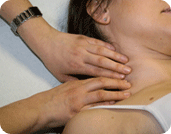 Manual lymphatic drainage is a manual massage performed with a special technique through which light and precise movements, made along the way of the lymph system, helps drainage and the reabsorption of excess fluid. Manual lymphatic drainage has been designed by a renowned physiotherapist and Danish biologist, Dr. Emil Vodder, which brought attention to the importance of the lymphatic system in the harmony of the human energy. At our center are specialists in manual lymph drainage is for the treatment of edema associated with diseases for beauty treatments. The main purpose of the manual lymphatic drainage is to promote detoxification of the body, putting in motion the sap and pushing it to the resorption in its channels, neutralizing substances of cell metabolism that can be harmful to the body. Many diseases have symptoms such as the incorrect functioning of the lymphatic system, causing stagnation and slow down the flow of lymph, which leads to consequences on the immune defense system, on nutrition with considerable weight gain and swelling and state of intoxication. Manual lymphatic drainage practiced by experienced physiotherapists physiotherapy center of Tuscany and Umbria is indicated in the treatment of edema, but also for the treatment of cellulite, which if left untreated can escalate with pain and heaviness accentuated in affected areas, usually the legs.
ACTION – The maneuvers performed by the operator produce an increase in the natural ability of the lymphatic drainage. There is even a slight analgesic and relaxing obtained thanks to the dexterity and rhythmic component.
INDICATIONS – All types of edema (after verifying the nature through the exams suitable), cellulite, stress, sinusitis, constipation, results of mastectomy, etc…
The Global Postural Rehabilitation (RPG) is a rehabilitation technique once a rebalancing of the alterations of muscle tension and joint disorders of the human body, individual or global.
Pilates classes specialized for bone and joint problems and pregnancy.